
 Licensed to use chemicals — HSE compliant
Professional Paint Removal
from Brick, Stone
& Masonry Surfaces
Strip layers of old paint from your building's exterior without damaging the substrate — revealing the original material and restoring your property's authentic character.
Hundreds of paint removal projects completed — heritage-safe methods across Liverpool & the North West
Get Your Free Estimate
We'll respond within 24 hours — no obligation.
Recent Paint Removal Work
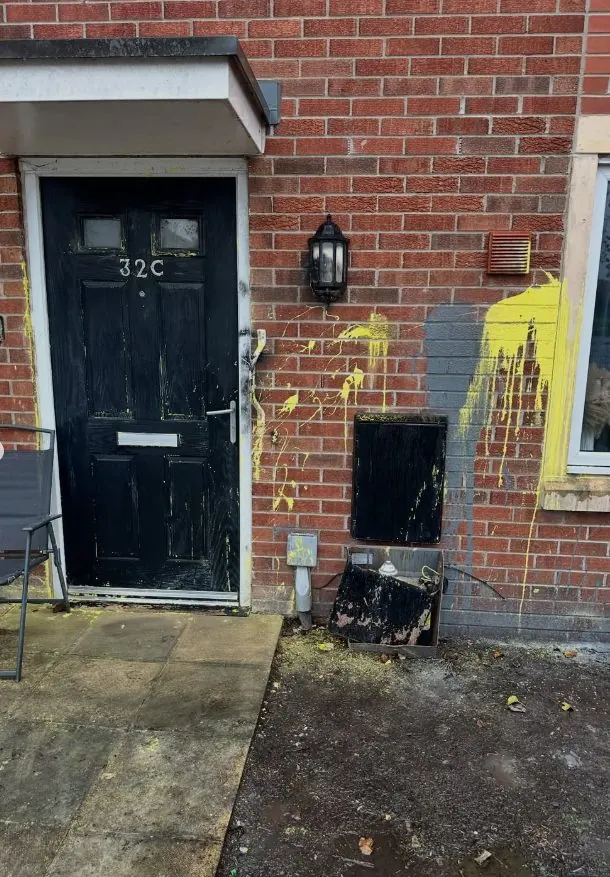
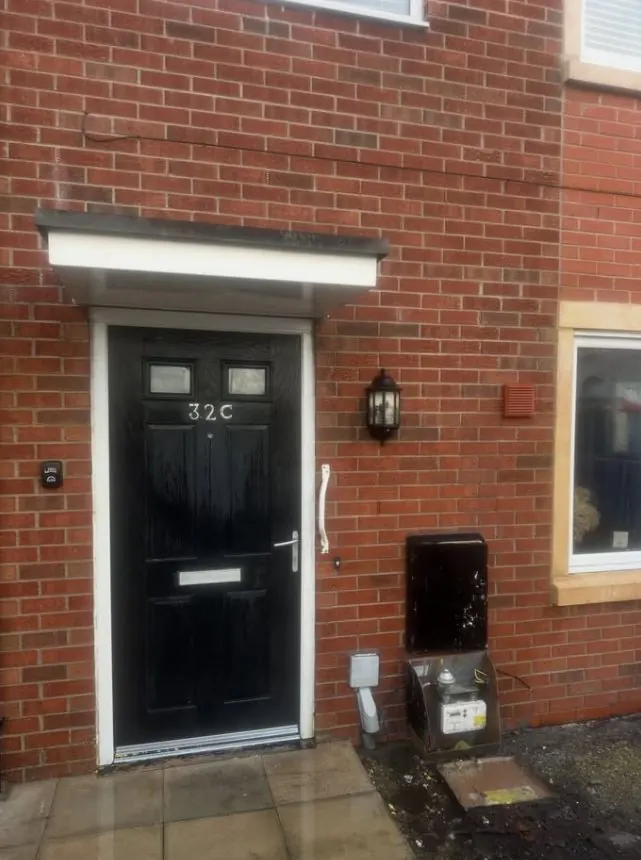
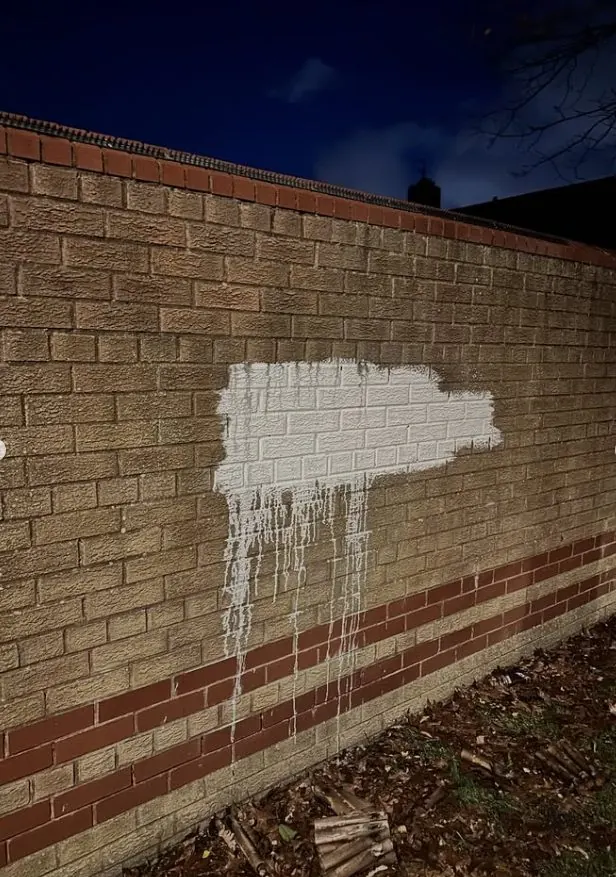
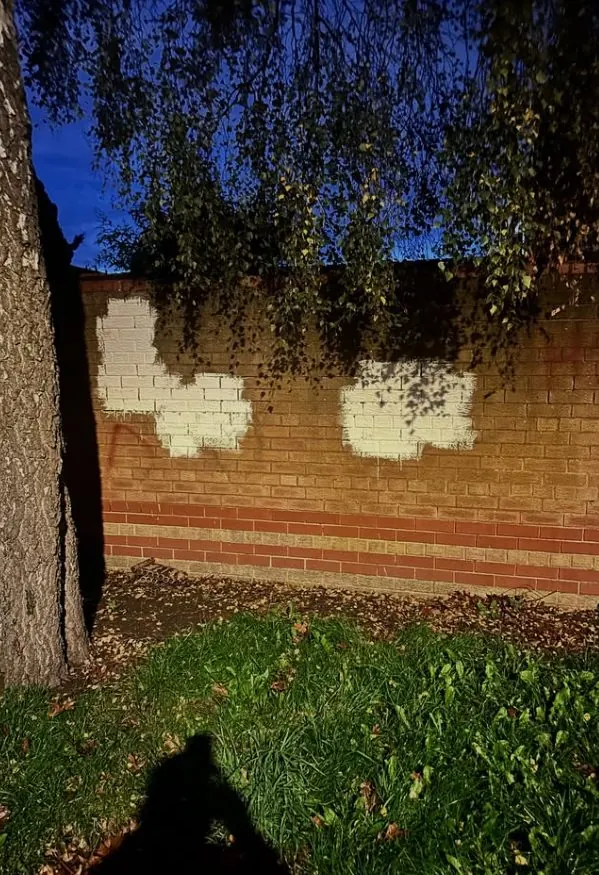
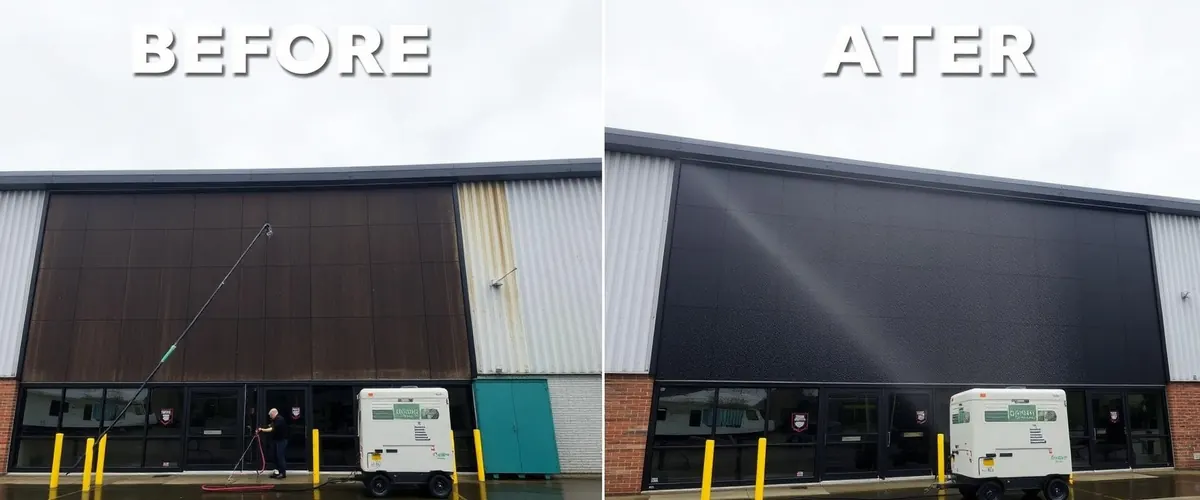
Professional Paint Removal — Revealing Original Character
Decades of paint application on brick, stone, and render surfaces trap moisture, obscure architectural detail, and degrade the underlying masonry. Professional paint removal reverses this damage, restoring the original material's appearance and allowing the building envelope to breathe naturally.
We use DOFF steam cleaning, TORC micro-abrasion, and specialist chemical paint strippers — selected based on the paint type, substrate condition, and heritage sensitivity of the building. Each method is controlled to remove the coating without damaging the underlying surface.
Our paint removal service is suitable for residential houses, commercial buildings, churches, schools, and heritage properties across Liverpool & the North West.
Paint Damage on Masonry Walls
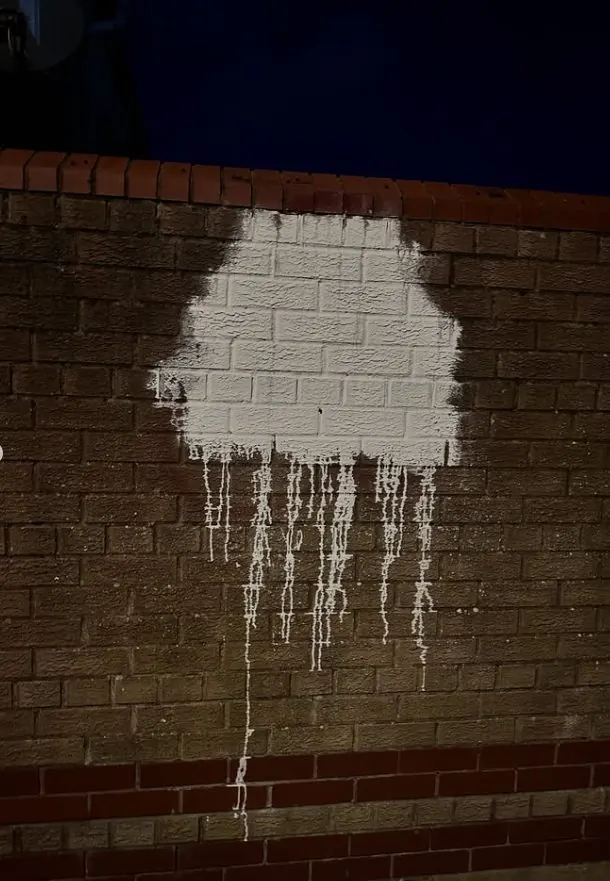
Unwanted paint on brick and stone surfaces traps moisture, obscures architectural detail, and degrades the underlying masonry over time. Whether from vandalism, accidental spills, or failed DIY projects, professional removal is essential to restore the surface without damage.
Before: Paint Contamination
Paint solvents bond rapidly with porous masonry surfaces. The longer paint remains on brick or stone, the deeper the pigment penetrates — making removal harder. Our team assesses each surface to select the safest, most effective removal method for the specific paint and substrate combination.
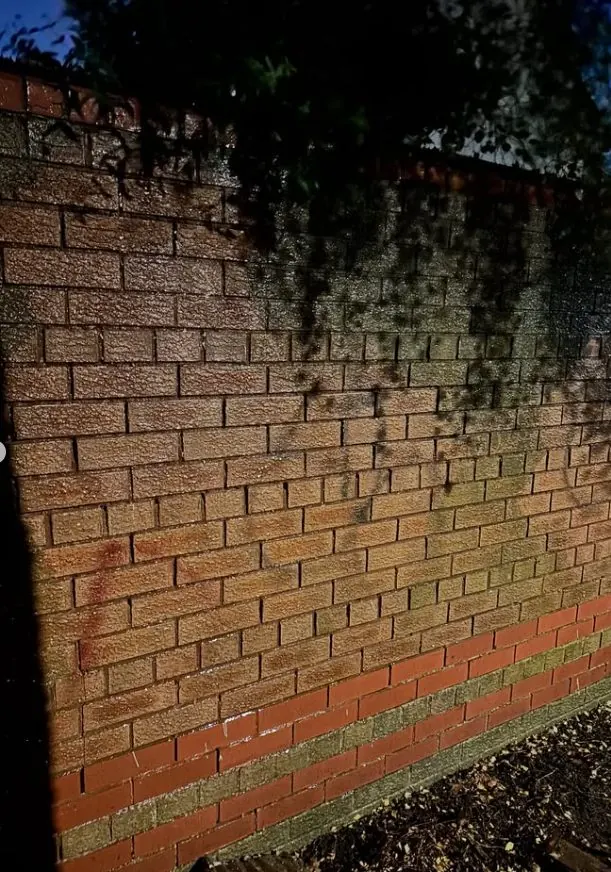
After: Original Brickwork Restored
After careful treatment using DOFF steam, TORC micro-abrasion, or specialist chemical strippers, the original brick surface is fully revealed. The result is clean, undamaged masonry that can breathe naturally — free from the moisture-trapping paint layer that was causing hidden deterioration.
The Hidden Damage Caused by Paint on Masonry
Modern masonry paints create a waterproof film on the surface of brick and stone. While this initially appears to protect the surface, it actually traps moisture within the masonry that cannot evaporate through the paint layer.
Trapped moisture causes salt crystallisation within the pore structure of the masonry, leading to spalling, crumbling, and structural weakening over years. This damage is often invisible until the paint is removed.
Multiple paint layers — common on properties that have been repainted every decade — compound the problem. Each layer traps more moisture and adds weight to a coating system that eventually fails through peeling, flaking, and delamination.
Our Proven Process
Paint Analysis
We identify the paint type, number of layers, and substrate condition through visual assessment and test panel application.
Method Selection
The optimal removal method — DOFF, TORC, chemical, or combination — is selected based on paint type and substrate sensitivity.
Protection Setup
Windows, landscaping, and adjacent surfaces are protected. Drainage and waste containment is arranged for chemical treatments.
Systematic Removal
Paint is stripped methodically across the full area, with multiple passes where required for deep or multi-layered coatings.
Final Clean & Advice
The bare substrate is cleaned, assessed, and recommendations provided for any re-pointing, sealing, or surface treatment.
Key Benefits
Reveals Original Material
See the authentic brick, stone, or render that defines your building's architectural character.
Stops Moisture Damage
Removing paint allows masonry to breathe naturally, halting the trapped-moisture cycle that causes spalling.
Heritage Compliant
Our DOFF and TORC methods are approved for listed buildings and conservation area properties.
Increases Property Value
Exposed original brickwork and stonework commands premium property values across Liverpool.
Multi-Layer Capability
We remove multiple paint layers accumulated over decades — including stubborn modern elastomeric coatings.
Safe & Controlled
No aggressive mechanical methods that risk surface damage. Every project starts with a test panel.
Paint Types, Removal Methods & Heritage Considerations
Lime-based paints and traditional limewash are the simplest coatings to remove. DOFF steam at moderate temperatures typically releases these coatings from brick and stone with minimal effort. The paint softens and lifts, allowing gentle washing to complete the removal.
Modern masonry paints — acrylic, silicone, and elastomeric formulations — are significantly more challenging. These coatings form strong chemical bonds with the substrate and resist steam alone. Chemical paint strippers are applied as a gel or poultice, allowed to dwell, then removed along with the softened paint using DOFF or TORC.
Bituminous coatings — the black tar-like treatments applied to basement walls and damp-prone areas — require specialist solvent-based removers followed by thorough cleaning to prevent staining of the exposed masonry.
For listed buildings and properties in conservation areas, we prepare detailed method statements that satisfy conservation officer requirements. Our approach prioritises the preservation of original surface detail and patina while achieving complete paint removal.
Frequently Asked Questions
How much does paint removal cost?
Can you remove paint from listed buildings?
How long does paint removal take?
Will paint removal damage the brickwork?
Can you remove paint from stone?
What areas do you cover?
Reveal Your Building's Original Character
Free survey and test panel included. See the original brickwork or stone before committing — zero risk, zero obligation.
Free, no-obligation quotes. We respond within 24 hours.